The Bpigs Diaries offer a peek under the art market hood; what are the power dynamics, access and gatekeeping, and the current tension holders. Let's discuss!
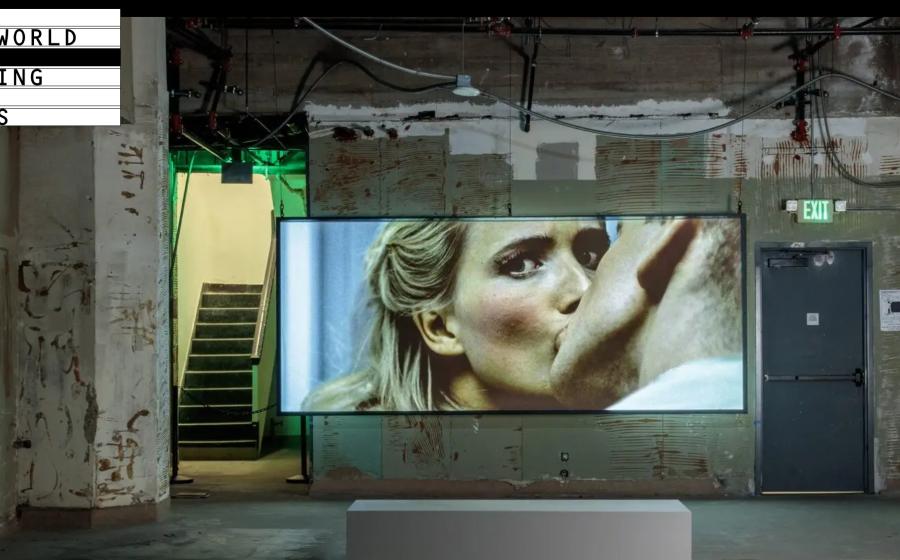
“What a Wonderful World: An Audiovisual Poem,” the first extensive US presentation of the Julia Stoschek Collection, edited by Udo Kittelmann, opened in the legendary Variety Arts Theater, downtown Los Angeles, last month, and I…read more
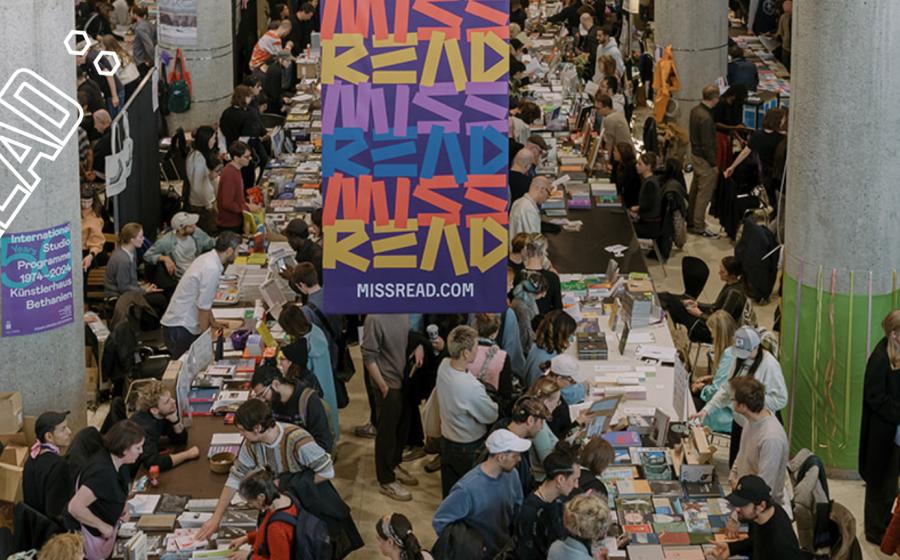
Miss Read 2026 will take place from June 26–28 at Silent Green . Pre-fair, in collaboration with Station of Commons , will take place from June 23–25 at Miss Read Space (Gerichtstraße 45, Berlin). The Conceptual Poetics Day will…read more
anorak invites Berlin-based artists, curators, and researchers working in time-based media, writing, translation, publishing, and culinary projects to submit collaborative proposals for a 3-month residency at the shared anorak studio…read more
Women, Life, Oil Interests What did I miss? It has been my belief ( and I know I am not alone in this! ) that when Bernie got ousted from the primaries on March 1st, 2020, we entered a dark and twisted alternative universe where things…read more
openings at Scotty Enterprise, Axel Obiger, Haus am Lützowplatz, Goldrausch Künstlerinnen Performance Fri, 16 Jan 19h at Axel Obiger – Raum für zeitgenössische Kunst Opening: Madness and Practice: Liz Dawson + Lucy Teasdale In…read more
We lost a(nother) gallery client last week. Helga, not her real name, didn't like “the mixture of art and political topics” on our platform. I think she didn't mind the Ukraine stuff, just, you know…the Arabs. My students in Vienna…read more
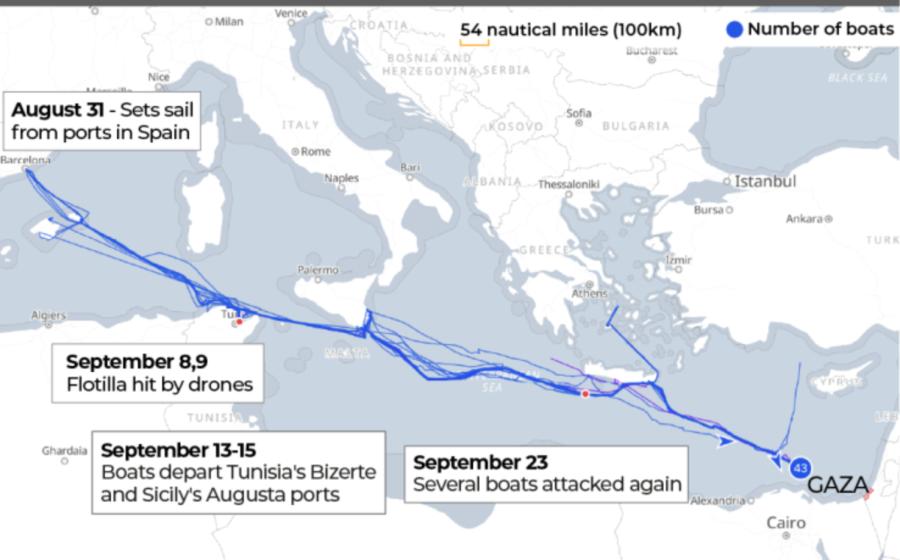
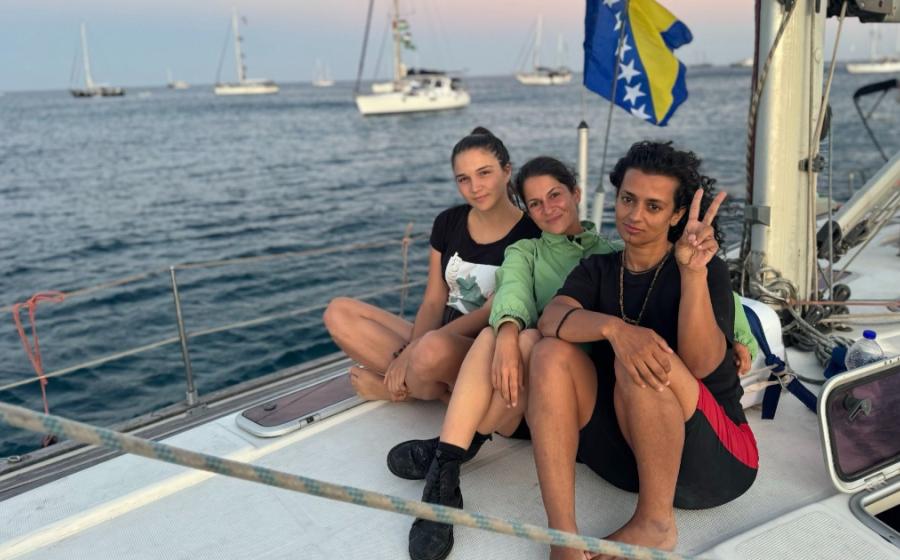
Protect Oyoun director Louna Sbou and 18 other German participants after their illegal arrest and kidnapping on the Global Sumud Flotilla! Urgent appeal: Protection for Oyoun director Louna Sbou and 18 other German participants after…read more
this week we are going on an art opening detox This week we are going on an Art Opening Detox. We have dance performances, zine festivals, puppet shows, speed dating and some Words in the Wild instead. Enjoy! Subscribe to our Newsletter…read more
Wed, Sept 10, 18h at Ufferhallen Opening of A Hidden Well Registration is required for the performances by Murat Adash and Shade Théret as well as for the walk by Jasmine Parsley. Under the title A Hidden Well, n.b.k. presents an exhibition…read more
Call for volunteers Thursday, 20 November – Sunday, 23 November 2025 anorak / Aktionshaus Gottlieb-Dunkel-Str. 43/44, 8th floor 12099 Berlin What does it mean to consider the social life of film not as a feature but as its sole enabler?…read more
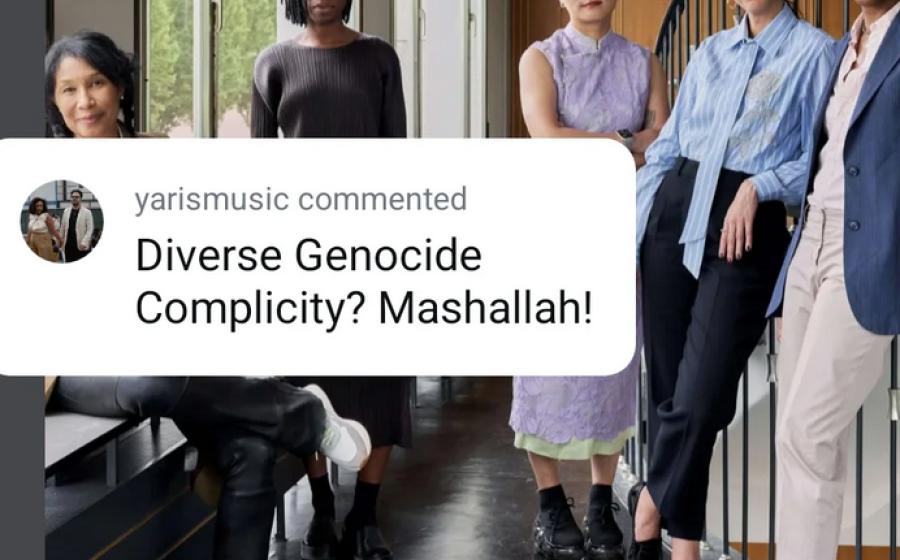
Of course, OF COURSE they are letting POC women lead the way out of the cultural rabbit hole; the political and moral wasteland that is Germany right now, and curate a diverse show that will ruffle zero centrist feathers, walk the line…read more
Apply now for the Professional development programme for visual artists. Applications from Juli 1 until September 15, 2025. The Goldrausch Künstlerinnenprojekt has been run by Goldrausch Frauennetzwerk e. V. since 1989. It was founded…read more
Did you think Berlin art scene is slowing down in July? Think again! Here is are the highlights of this week's openings, workshops and the best shows on view. A new gallery moved in the Peres Project rooms on Karl Marx Allee. The end…read more
Summer is in full swing in Berlin, and I wandered the city questioning which friends I can have an Aperol glass blown out of our hands with by a gust of summer wind and which I should better leave on Seen, as they have crossed over…read more
Stop the Exploitation of Small Publishers, Artists, and Employees Created by: Independent Publishers Small Publishers, Artists, and Employees Who are we? We are a group of small publishers, artists, and employees seeking funding for…read more
WEDNESDAY Wed, 30 April 18-19hh Opening of public space intervention moving walls by Susanne Burner Duration: 22.4. – 8.5.2025 Visible: 24/7 Installation in public space - corner of Torstraße / Karl-Liebknecht-Str. (52.527189, 13.415033)…read more
The Open Call for the super soft summer residency 2025 aims to provide space for artists and artist collectives across all disciplines who are based in Berlin and struggling with space constraints. Especially in light of the current…read more
We are currently accepting submissions for the upcoming Gallery Weekend issue. Deadline is April 15. Information about pricing can be found here . THIS WEEK in BERLIN Mon, 17 Mar, 17h at Alte Münze Unspoken Spaces: Guided Tour though…read more
Join the AWC editorial program as they explore these ideas through four open calls: Experience, Transfiguration, Choreography, and Relationships . Each theme invites diverse, personal contributions that inspire reflection and action. Open Call #1...
What can I say about the German elections? We have been through an overwhelming amount of intertwining, cascading, dystopian, worst-case political scenarios in the past few years; that somehow brought us to this point. A point that…read more
The EMOP Berlin festival begins its 2025 programme with the leitmotif of this year’s edition, what stands between us . Dangerous political currents are showing us that democracies are under threat of breaking apart and that their…read more
The festival will take place from 13-15 June, 2025 We are excited to announce the dates for this year’s Berlin Art Book Fair & Festival! On June 13–15, 2025, Miss Read will be returning to Haus der Kulturen der Welt (HKW). As…read more
Hildegard goes inside for the winter Register now for this six week mindfulness and meditation course on staying with the trouble! - with Lucy Powell The radical, relational and transformative methodologies of meditation and mindfulness…read more
Dispatch from Los Angeles: Happy New...WTF??! I am a reluctant Happy New Year wisher but goddammit this year I was gonna do it. Except I didn't have time. The balloons from our NYE party are still on the floor. The flowers my friends…read more
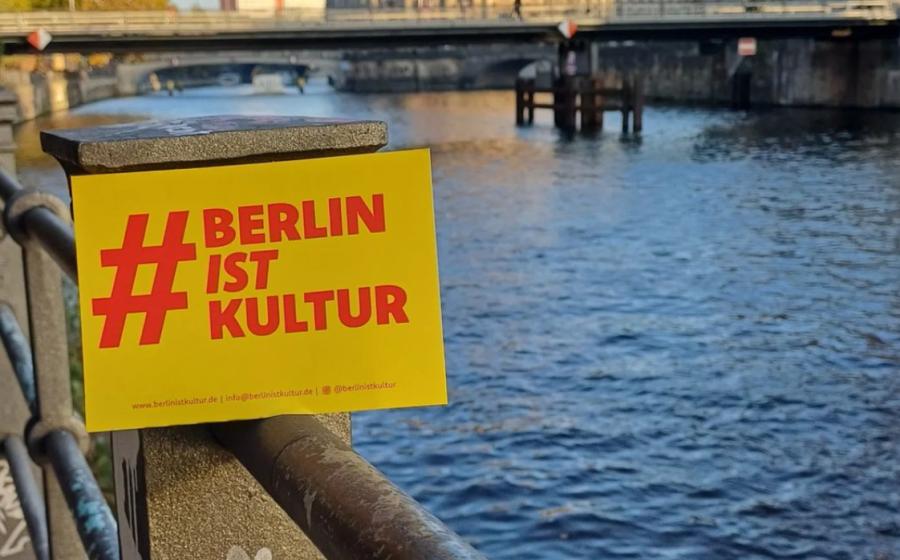
Berlin's culture faces a historic clear-cut due to cuts in the Berlin cultural budget. November 13th, 2024, 10am - 1pm, Niederkirchnerstraße, in front of the House of Representatives, Berlin. We have registered a time slot on November…read more